Why walking works
When muscles contract, they pull glucose out of the blood for fuel. After a meal, when glucose is rising, that extra demand helps smooth the curve. Regular activity also improves how well your body responds to insulin, according to the NIDDK.
How long and when
- Duration: 10 to 15 minutes is a practical target.
- Timing: start within about 30 minutes after eating.
- Pace: a comfortable brisk walk; you can talk but not sing.
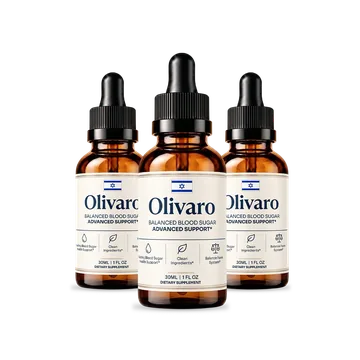
Ready to start? Olivaro is $49 a bottle in the 6-pack (save $780) or $69 in the 3-pack, both with free US shipping and a 60-day money-back guarantee.
Check Today’s Price →Fitting it into your day
- After lunch: walk around the block or office building.
- After dinner: a family walk or call a friend while walking.
- Bad weather: walk around the house, use stairs or march in place during TV.
It all adds up
Three 10-minute walks a day for five days is 150 minutes, the weekly goal from the CDC physical activity guidelines. MedlinePlus has more ways to stay active.
A week of walking
| Day | After lunch | After dinner |
|---|---|---|
| Mon–Fri | 10 min | 15 min |
| Sat | 20 min | 15 min |
| Sun | Rest or gentle stroll | 15 min |
Make it enjoyable
Listen to a podcast, walk with a friend or explore new streets. When walking is pleasant, it becomes a habit you look forward to.
Walking tips for every body
- New to exercise: start with five minutes after your largest meal and add a minute every few days.
- Joint pain: try flat routes, supportive shoes or walking in a pool. Ask your doctor about what suits you.
- Busy schedule: take phone calls on foot, park further away or get off the bus a stop early.
- Hot or cold weather: walk indoors at a shopping mall, on a treadmill or up and down stairs.
Why after meals beats a single long walk for some people
A single 45-minute walk is great for fitness, but short walks spread after each meal target the time when glucose from food is entering your blood. For many people, three short walks are also easier to fit in than one long one. Combine both if you can: the CDC counts every minute of moderate activity toward your weekly target.
Pairing walking with Olivaro
Think of your day in three parts. In the morning, take your Olivaro dropper and eat a protein breakfast. After lunch and dinner, walk for ten to fifteen minutes. In the evening, wind down for good sleep. Each habit supports the others, and together they form a simple routine you can keep for months.*
Pair it with daily support
Walk after meals, take Olivaro each morning and build your plate around vegetables and protein. It’s a simple three-part routine.* See Olivaro on the official page.
Questions
How long should I walk after eating?
About 10 to 15 minutes is a good, practical goal.
Is it better to walk before or after meals?
Walking after meals helps your muscles use the glucose from that meal.
Does slow walking count?
Yes. Any movement helps; brisk walking helps a bit more.
Sources
- NIDDK: Insulin resistance and prediabetes
- CDC: Adult physical activity guidelines
- MedlinePlus: Exercise and physical fitness
General information, not medical advice. Prices and label details are from the official Olivaro order page, checked October 20, 2026; the checkout page and your bottle’s label always take priority. See our disclaimer.