What happens after a meal
Carbohydrates break down into glucose, which enters your blood. Insulin then helps move it into cells. In healthy people this happens smoothly; when insulin doesn’t work as well, glucose stays higher for longer (NIDDK).
Common causes of bigger spikes
- Sugary drinks and juices
- White bread, white rice, pastries
- Large portions of starchy foods
- Meals with little fibre, fat or protein
- Sitting for long periods after eating
- Poor sleep and stress
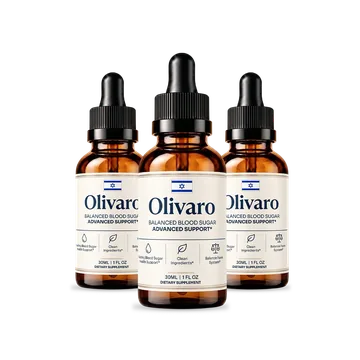
Ready to start? Olivaro is $49 a bottle in the 6-pack (save $780) or $69 in the 3-pack, both with free US shipping and a 60-day money-back guarantee.
Check Today’s Price →Easy fixes
- Eat in order: vegetables, then protein, then carbs.
- Swap to whole grains and add beans or lentils.
- Watch portions of starchy foods; use the plate method from the CDC.
- Walk 10 to 15 minutes after meals.
- Drink water instead of sweet drinks.
Checking your numbers
If your doctor recommends checking glucose, they’ll tell you your targets. MedlinePlus explains blood glucose tests. Don’t self-diagnose; ask for proper testing if you’re concerned.
Carb swaps that soften the spike
| Instead of | Try |
|---|---|
| White rice | Brown rice, quinoa or cauliflower rice |
| White bread | Whole-grain or seeded bread |
| Sugary cereal | Oats with nuts and berries |
| Fruit juice | Whole fruit |
| Potato chips | Nuts or roasted chickpeas |
The role of protein and fat
Adding protein and healthy fat to a carbohydrate food slows digestion. For example, an apple with peanut butter or toast with eggs is gentler than either carb alone.
Does food order really matter?
Starting a meal with vegetables and protein, and leaving bread, rice or potatoes until later, is a simple trick many people use to soften the rise in blood sugar. Fibre and protein slow digestion, so the carbohydrate arrives more gradually. It costs nothing and doesn’t require giving up any food.
Drinks count too
Sweet coffee drinks, juices, sodas and sports drinks can raise blood sugar as fast as dessert. Choose water, sparkling water, unsweetened tea or coffee with a splash of milk. MedlinePlus explains different sugars and sweeteners.
Stress and spikes
Stress hormones like cortisol and adrenaline raise blood sugar, even without food. Breathing exercises, a short walk or a few minutes outdoors after a stressful meeting can help you reset.
Daily support for steadier days
Olivaro’s chromium and gymnema support healthy glucose metabolism as part of these habits.* See Olivaro on the official page.
Questions
Is it normal for blood sugar to rise after eating?
Yes. A rise after meals is normal; problems arise when it stays high.
What food spikes blood sugar the most?
Sugary drinks and refined carbs typically raise it fastest.
How can I prevent spikes at dinner?
Start with vegetables, keep starches small and take a short walk afterwards.
Sources
- NIDDK: Insulin resistance and prediabetes
- CDC: Healthy eating with diabetes
- MedlinePlus: Blood glucose test
- MedlinePlus: Sweeteners and sugars
General information, not medical advice. Prices and label details are from the official Olivaro order page, checked October 20, 2026; the checkout page and your bottle’s label always take priority. See our disclaimer.